
I've just returned from hosting two weeks of conversations, workshops and interviews at COP30 in Belém with TED Countdown. Much has been written about this COP's shortfalls, frustrations and achievements — for excellent analysis, try Carbon Brief or Outrage and Optimism's Inside COP podcast series. Instead, I want to share a few personal reflections about where we actually are — and what comes next.
COP30 unfolded like a split-screen experience. On one screen: the grinding paralysis of a multilateral process that requires unanimous agreement from 194 registered country delegations (with an official US delegation conspicuously absent), and the unrelenting evidence that we’re still far too slow in phasing out fossil fuels, decarbonizing our economies, and building resilience to the climate impacts already reshaping daily life.
On the other side: a vibrant, determined ecosystem of organizations and communities simply getting on with the work — building a healthier, more prosperous, more sustainable future in real time. Entrepreneurs, scientists, policymakers and concerned citizens are advancing hundreds of initiatives to reforest, restore, electrify and adapt. Those who made the journey to this modest city on the edge of the Amazon were the Doers. Despite the frustrations in the negotiating rooms, the wider spirit was practical and resolute — even joyful.
It became clear that we are both losing and winning this battle simultaneously — and mindset will be a decisive factor in which future takes hold.

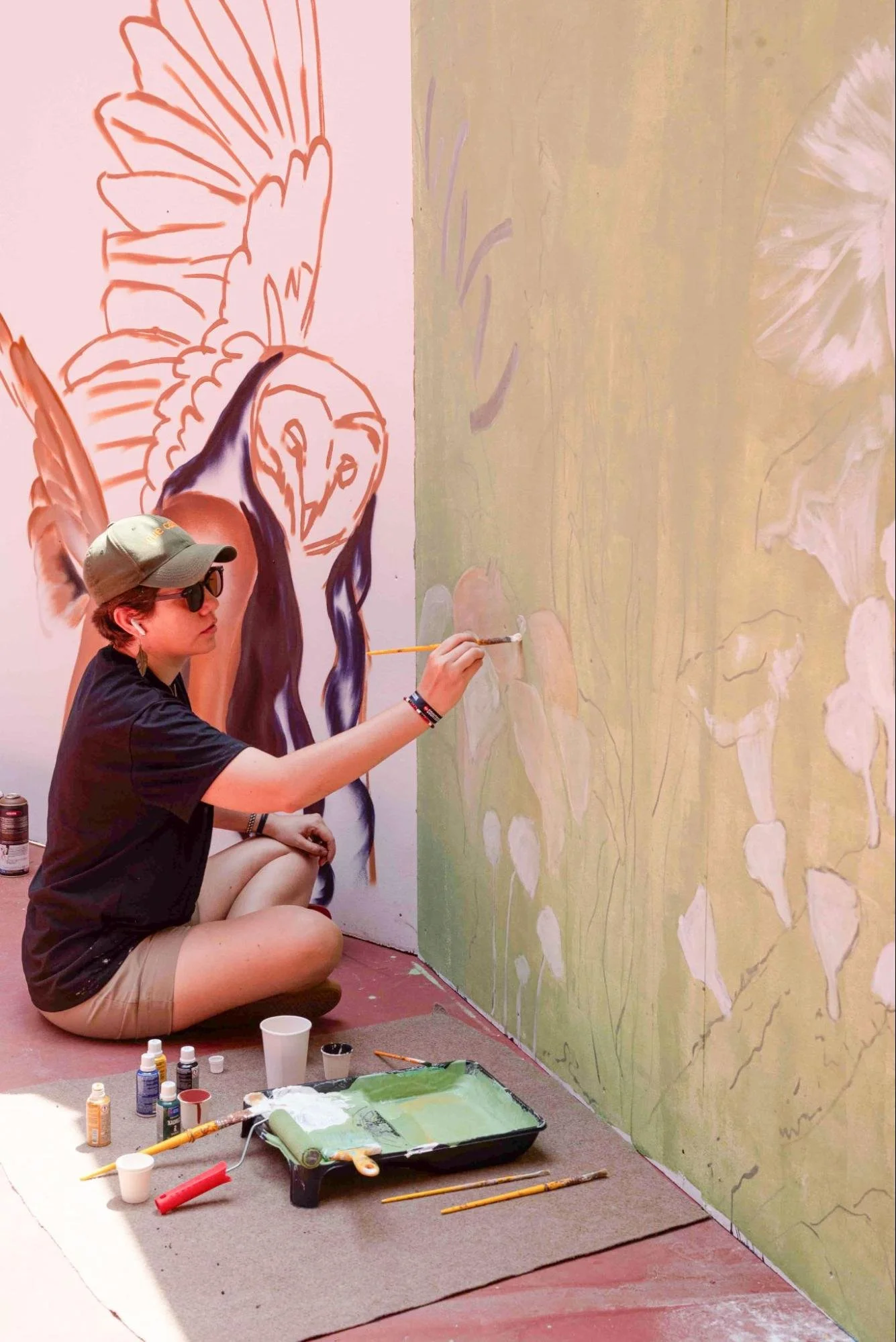

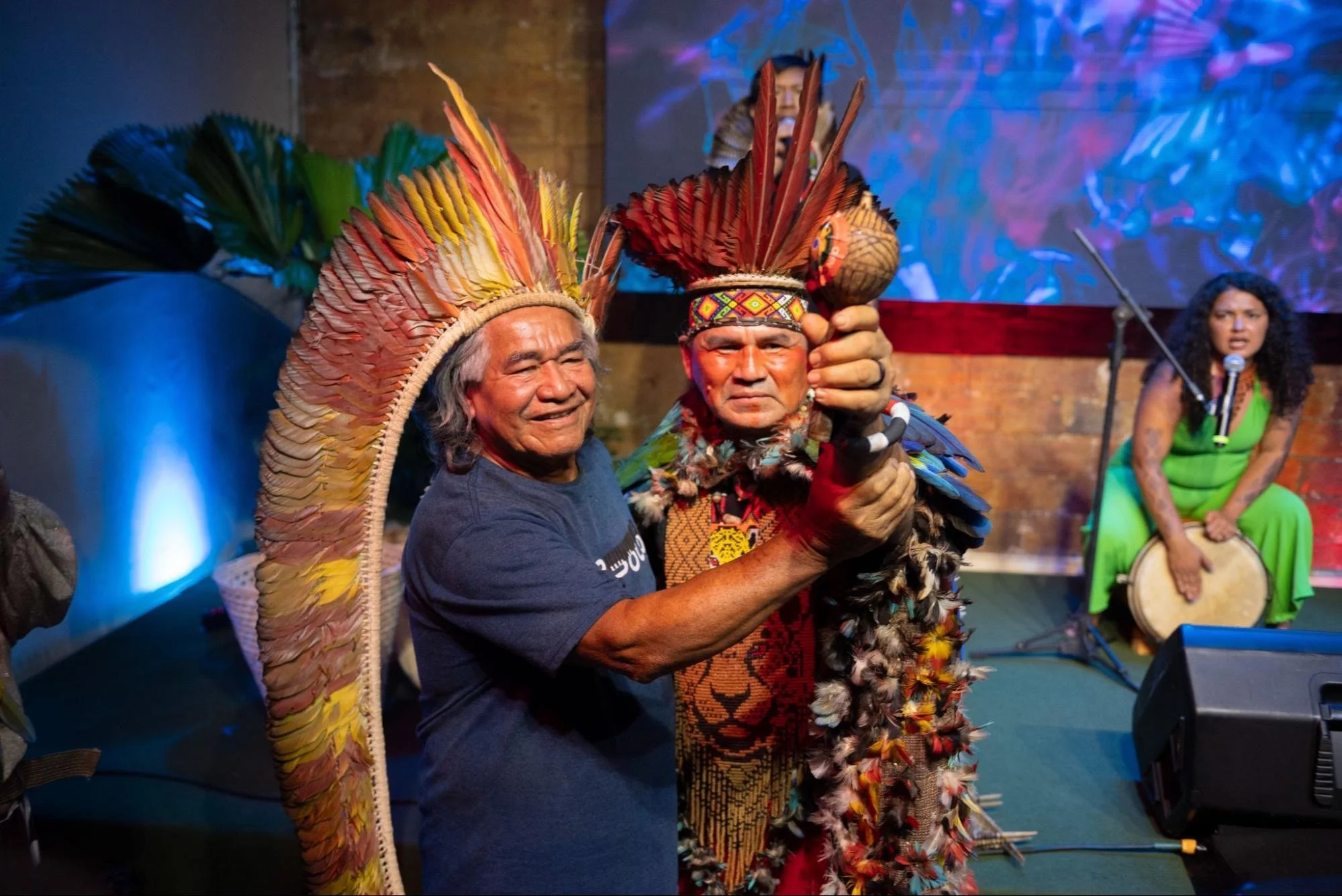
At TED Countdown House — brought to life with the help of 20 extraordinary artists and an incredible local team — we transformed a historic building in the center of Belém into an open space for candid dialogue. Three thousand people came through during our 12-day program. Listening to the ideas and actions underway, several themes emerged:
1. Mitigation vs. adaptation is a false choice.
We must do both — and people on the frontlines know this instinctively, because they’re already living the collision of impacts and solutions.
2. Climate and nature are profoundly intertwined.
Climate, ecosystems and biodiversity are inseparable. Forests, oceans and grasslands aren’t just carbon sinks; they’re living infrastructure. Those closest to these landscapes — especially Indigenous communities, who safeguard more than one-third of the world's intact forests and remaining wild landscapes — understand this deeply, and the rest of us are finally beginning to catch up.
3. Technology and traditional knowledge are not opposing forces.
We don't need to choose between techno-optimism and ancestral wisdom — we need to direct our considerable intelligence, both human and artificial, toward solving problems that matter. Watching local guardians demonstrate how drones are transforming their ability to combat illegal deforestation on their lands was a vivid reminder: innovation is most potent when it’s in service of place, culture and stewardship.
4. China is accelerating climate solutions at remarkable scale.
China dominates the first wave of the clean technology revolution, and is moving fast to build on this. While their delegation did not step into the leadership role some hoped for in Belém, their influence is clear in other ways — including through renewable and battery technologies that are spreading rapidly across the Global South.
5. Despite a political retreat, the US is still in the game.
Turning back on tomorrow’s technologies is, for many of us, a self-defeating strategy. We were glad to host a series of meetings for the “informal” US delegation — former negotiators and leaders from cities, states, business and civil society who continue to push forward. The absence of schadenfreude from international peers was striking — a refreshing reminder of the generosity of the human spirit. Instead, there was concern, empathy and hope that the country will soon regain its footing.
6. The future requires more than technology — it requires moral courage.
Our most anticipated gatherings were those centered on courage, moral leadership and ethics. There is a deep desire for the space to talk about what matters most to people. We were honored to host the new Brazil-led Global Ethical Stocktake, to hear from its co-leaders — including Karenna Gore and Wanjira Mathai — and from respected Elders such as former Presidents Mary Robinson and Juan Manuel Santos. Indigenous leaders from every continent led wisdom ceremonies, grounding us in a relationship with the more-than-human world that is older, wiser and urgently needed.

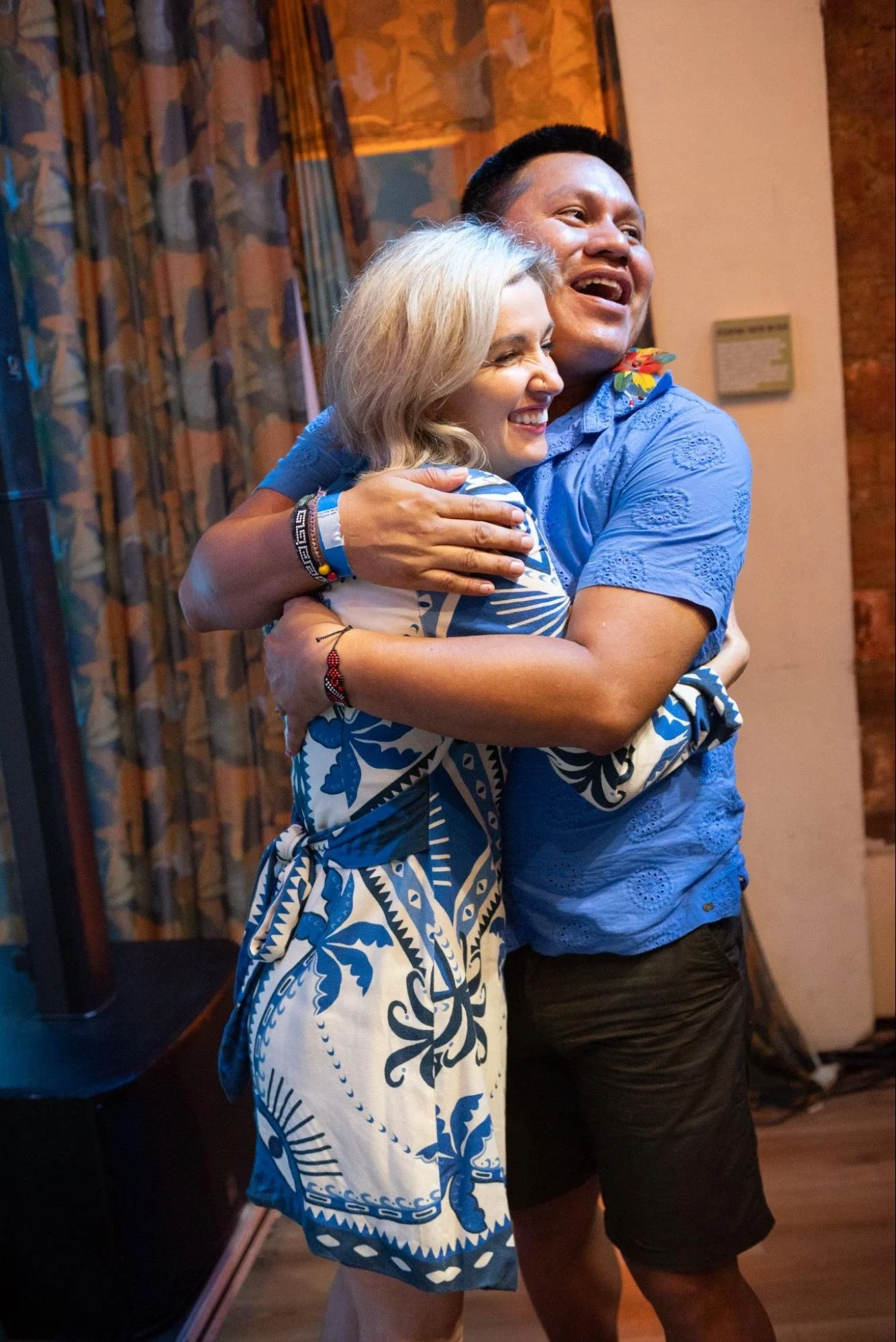


My closing reflection is that the weather will (of course!) win. Belém offered a daily reminder of our current reality. Torrential rains flooded venues and sent rivers streaming down the streets. Around the world, heat waves strain healthcare systems; storms, floods and wildfires intensify; insurance costs soar.
We humans are notoriously bad at predicting the future. We assume today’s patterns — markets, politics, work — will continue in straight lines. But conditions can flip with surprising speed. We’ve locked in worsening extremes for decades. Yet how we respond is still being written, and each of us chooses our stance anew, every day.
Throughout the two weeks at the House, what stood out above all was stubborn optimism paired with relentless work. It feels as if the politics of climate change is lagging behind the action. People are exhausted by conflict. But in that weariness lies an opening: a chance to align with the builders, the solvers, the courageous.
There are countless ways to join this momentum. My bet is on a rising desire to fix things together — a quiet groundswell of kindness, collaboration and shared purpose. It is both more effective and more life-giving. And that, more than anything, is what I carried home from Belém.
With renewed hope,
Lindsay Levin, Head of TED Countdown
